Local Law 11 Repairs in Brooklyn, Planned Around Your Budget
Your facade report lists the problems. We turn that list into a repair plan you can actually pay for: Unsafe items first, the rest grouped by wall and timed to your deadline. From steel lintels and brick pointing to cast stone and fire escapes, we plan every job for a building that stays occupied.
Send your FISP report or a few photos and a phone number. We will call you back with next steps.
Every Brooklyn building over six stories files a facade report every five years, and the last digit of its block number sets the filing window.
The Brooklyn Buildings Behind Most Facade Reports
Local Law 11 only reaches buildings taller than six stories, so in Brooklyn the same five building types fill most repair lists.
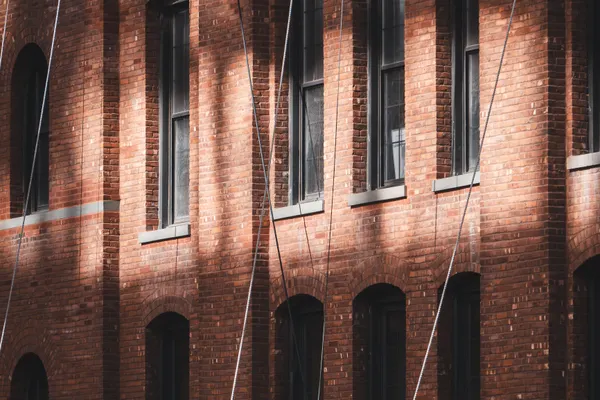
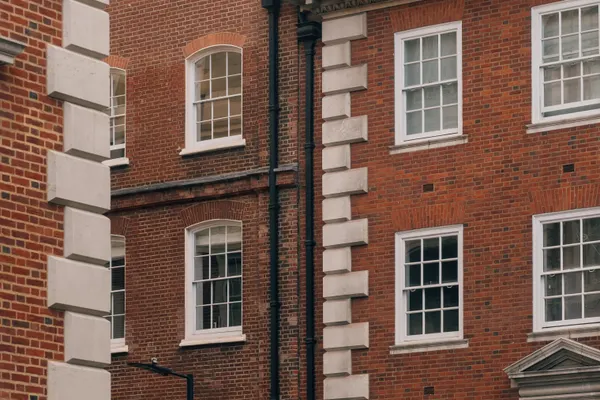
Brick walls, steel lintels and stone trim that have been through a century of winters.
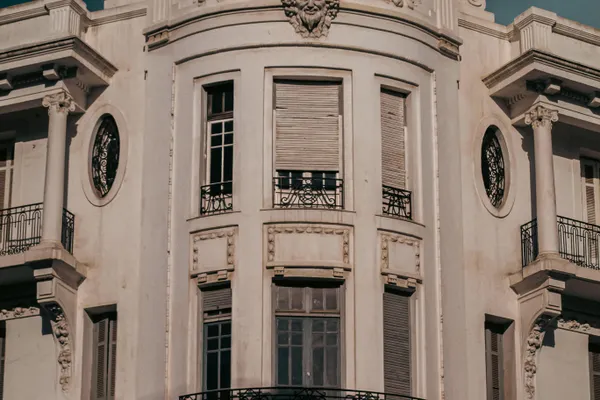
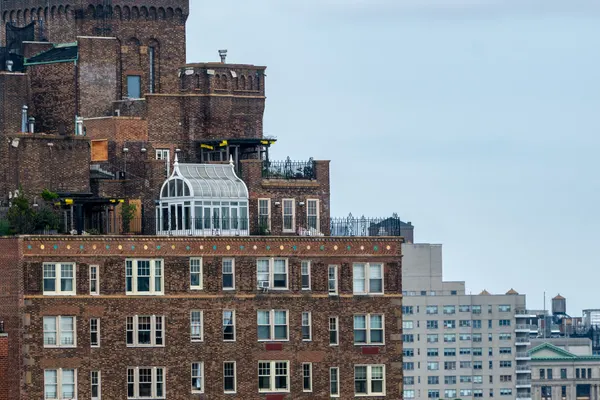
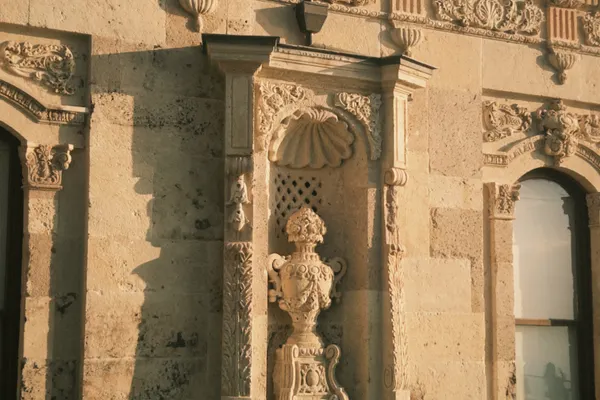
Cast stone panels, patterned brick and corner windows that need careful matching.
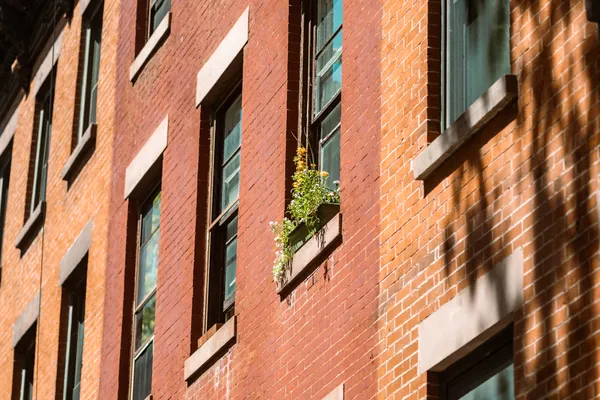
Several tall buildings on one site, often with shared budgets and board approvals.
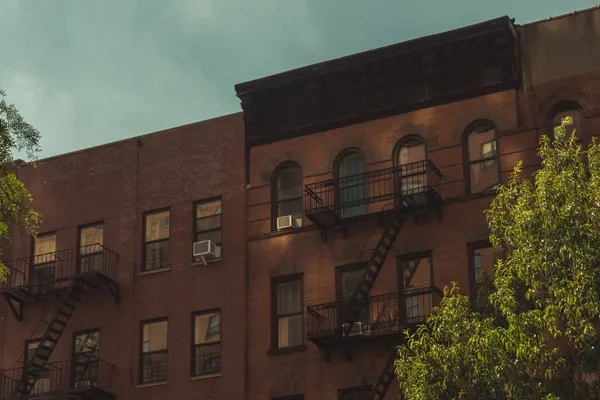
Owners balancing tenant comfort, rent rolls and a fixed DOB deadline.
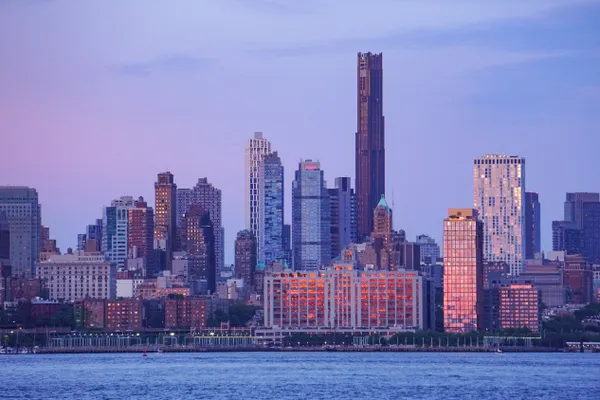
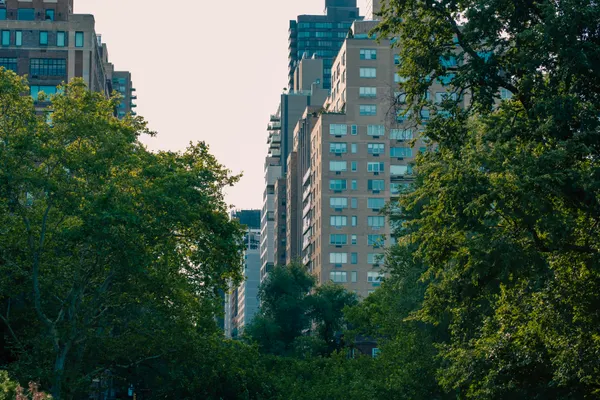
Newer high-rises facing wind and salt air, where sealant and balconies wear first.
What Does Local Law 11 Mean for a Brooklyn Building?
Local Law 11, now run by the NYC Department of Buildings as the Facade Inspection and Safety Program (FISP), requires every building taller than six stories to have its exterior walls inspected every five years. A Qualified Exterior Wall Inspector (QEWI) examines each facade, rates every condition Safe, SWARMP or Unsafe, and files the report with DOB. In the current cycle, Brooklyn blocks ending in 4, 5, 6 or 9 file first, then blocks ending in 0, 7 or 8, then 1, 2 or 3.
The report is only the start. Anything rated Unsafe needs protection right away and a repair within 90 days unless DOB grants more time, and SWARMP items have to be fixed before the next inspection. That is where we come in. We price every item on the report, show you which ones cannot wait, and build a facade repair plan for your Brooklyn building that keeps the work, and the bill, in sensible stages.
Most Common Findings in Brooklyn Facade Reports
On Brooklyn’s pre-war and mid-century buildings, the same six conditions turn up again and again. Here they are, roughly in the order they appear on the reports owners send us.
-
Rusted Steel Lintels
Steel over the windows rusts, swells and cracks the brick above it.
-
Open Mortar Joints and Cracked Brick
Worn joints let water into the wall, and freeze-thaw does the rest.
-
Loose Parapets and Copings
The short wall at the roof edge leans or loses its cap stones.
-
Cracked Cast Stone and Ornament
Sills, bands and Art Deco panels split along rusted anchors.
-
Rusted Fire Escapes
Corroded brackets, treads and anchors that no longer hold their load safely.
-
Loose Railings, Sleeves and Attachments
Balcony rails, air conditioner sleeves and signs fixed to the wall that have worked loose.
How to Budget for Facade Repairs Without Cutting Corners
A long report does not have to land as one huge bill. These three habits keep Brooklyn owners and boards in control of the cost.
Phase by Elevation
Fix the street wall first, then the rear and side walls in later phases, so spending follows the risk.
Combine Related Work
Pointing, lintels and sills on the same wall share one scaffold, one permit and one setup.
Plan Before the Deadline
Starting early avoids rush pricing, months of shed rental and the $2,000 penalty for SWARMP items left unfixed.
Safe, SWARMP and Unsafe: What Each FISP Rating Gives You Time For
Your inspector gives every condition on the facade one of three ratings, and each one comes with its own clock.
Safe
Nothing needs fixing now. The wall is checked again at the next five-year inspection.
SWARMP
Safe for now, but the repair must be done within the time your inspector sets and before the next cycle, or it becomes Unsafe.
Unsafe
DOB is told at once, a shed or netting goes up, and repairs plus an amended report are due within 90 days unless an extension is granted.
Facade Repair Services for Brooklyn Buildings
Every service starts from your inspector’s report and ends with the records needed to close it out.
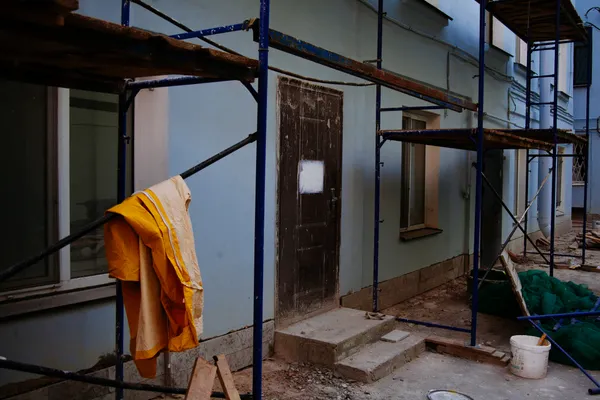
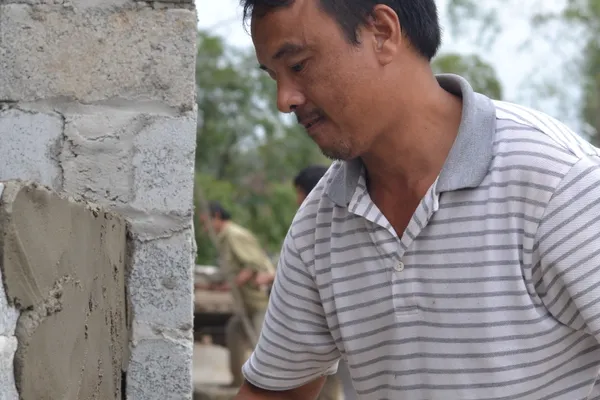
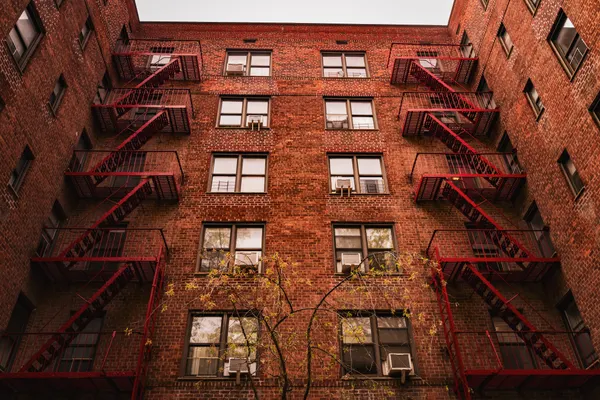
Facade Repairs in Occupied Brooklyn Buildings
Residents stay home while the work goes on outside, so every job is planned around them.
Tenant Notices
Residents get dated notices before each phase, so nobody is surprised by a rig outside the window.
Quiet Hours
Loud cutting and grinding stay inside city work hours, and we agree quieter windows with the super.
Protected Entrances
Lobbies and doorways stay open under sheds or covered walkways for the whole job.
Clean Sites
Debris is bagged and removed daily, and sidewalks and windows are cleaned as each area finishes.
Working With Your Local Law 11 Inspector
Under Local Law 11 the inspection must come from a QEWI, a New York State licensed engineer or architect certified by DOB. We are the masonry contractor that comes next. We work from your inspector’s report, keep them updated as each item is fixed, and hand over what they need to sign off.
Your QEWI Inspects and Files
The inspector examines the walls, rates each condition and files the report with DOB.
We Price and Repair
Every listed item gets a line price, and our crews carry out the repairs under permit.
Proof for the Amended Report
Dated photos and notes for each repair go to your inspector for the amended filing.
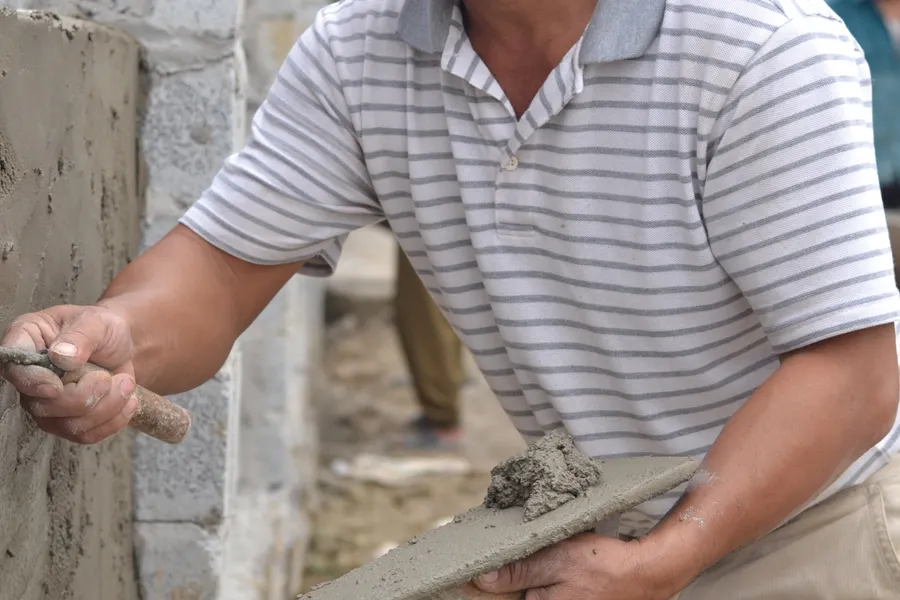
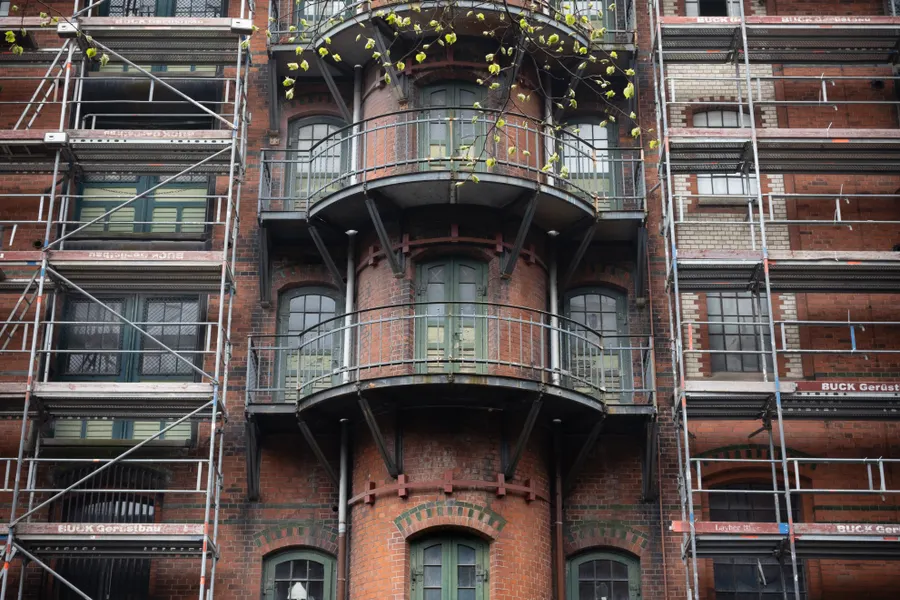
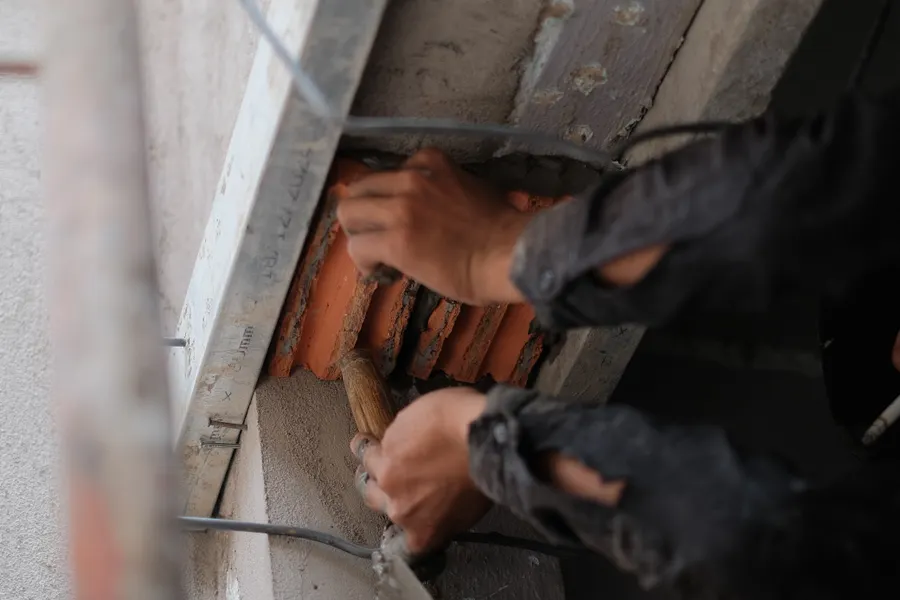
The Kind of Facade Work We Do in Brooklyn
Brooklyn Neighborhoods We Serve
We focus on the parts of Brooklyn with the most buildings over six stories.
North Brooklyn
- Brooklyn Heights
- Downtown Brooklyn
- DUMBO
- Williamsburg
- Greenpoint
Central Brooklyn
- Crown Heights
- Prospect Heights
- Flatbush
- Prospect Lefferts Gardens
- Kensington
South Brooklyn
- Bay Ridge
- Midwood
- Sheepshead Bay
- Brighton Beach
- Coney Island
Local Law 11 Questions From Brooklyn Owners and Boards
It is the city rule, now called FISP, that makes every NYC building taller than six stories, including those in Brooklyn, have its facades inspected every five years and repair what the inspection finds.
It depends on the last digit of your block number. In the current cycle, blocks ending in 4, 5, 6 or 9 file by February 21, 2027, blocks ending in 0, 7 or 8 by February 21, 2028, and blocks ending in 1, 2 or 3 by February 21, 2029.
No. The inspection and filing must come from a QEWI, a licensed engineer or architect certified by DOB. We handle the repairs and give your inspector the records needed to close them out.
Your inspector notifies DOB right away, public protection such as a sidewalk shed goes up, and the repair and an amended report are due within 90 days unless DOB grants an extension.
Start early, fix Unsafe items first, phase the rest wall by wall, and group work that shares the same scaffold. Leaving SWARMP items unfixed can bring a $2,000 penalty and a bigger repair later.
Yes. Almost all facade work happens outside. Residents get notice before each phase, entrances stay protected, and noisy work stays within set hours.
Send your FISP report or a few photos through the upload box or our contact page, or call (917) 355-8556. We review the listed conditions and come back with a priced, phased plan.