
Steel Lintel Replacement and Repair for Brooklyn Buildings
When the steel over a window rusts, it swells, cracks the brick above and can loosen pieces over the sidewalk. We shore the wall, take out the old steel, set a new galvanized lintel with flashing and weep holes, and rebuild the brick to match, one opening at a time while the apartment stays lived in.
Rust Lifts the Brick Above
As steel rusts, it grows and pushes the brick over the opening up and out.
Every New Lintel Gets Flashing
Flashing and weep holes go in with the steel, so water drains out instead of sitting on it.
The Wall Is Shored First
Brick over the opening is supported before any old steel comes out.
What Is a Steel Lintel, and Why Do They Fail?
A steel lintel is the beam that carries the brick over a window or door. On most Brooklyn apartment buildings it is one or more steel angles, set back to back in thicker walls, with each end resting a few inches into the brick on either side. The steel sits just behind the face of the wall, which is exactly where water ends up once it gets past the mortar joints above. Older lintels were rarely galvanized and often have no flashing, so they rust from the top down.
Rust takes up far more room than the steel it comes from, so a rusting lintel swells in layers and lifts the brick above it. That is what causes cracks at the window corners, a horizontal crack along the head and, in bad cases, loose brick over the sidewalk. Lintels in this state often appear as Unsafe or SWARMP items on a FISP report. Caught early, the steel can be cleaned and coated in place. Once it has lost real thickness or started to sag, it has to be replaced.

Warning Signs of a Failing Steel Lintel
Most failing lintels show themselves from the sidewalk. These are the four signs we look for first.
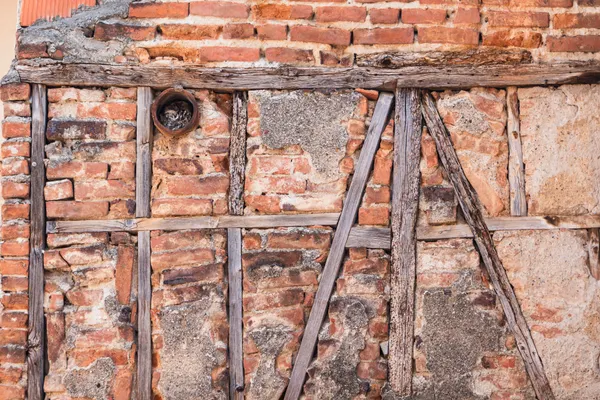
Step Cracks From the Window Corners
Cracks that climb diagonally through the joints from the top corners of the opening.
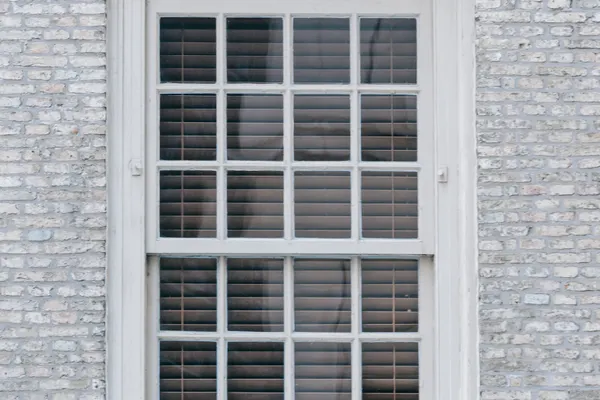
A Horizontal Crack at the Window Head
A straight crack in the joint just above the steel, often wider toward the ends.
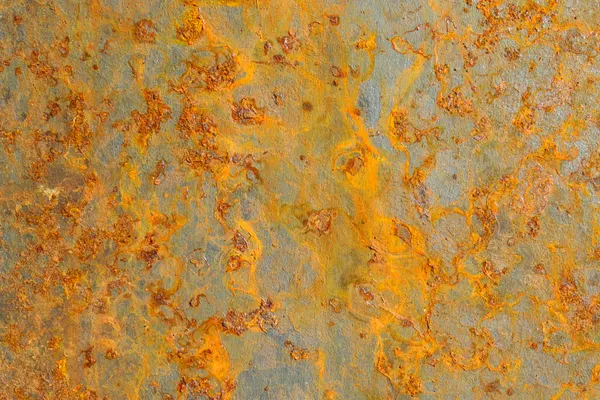
Rust Stains and Flaking Steel
Orange streaks running down from the head, or steel that peels away in thick layers.
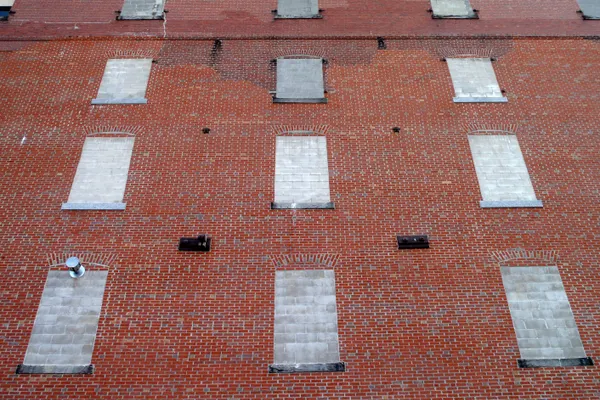
Sagging or Bowed Brick Over the Opening
Courses above the window that dip in the middle or lean out from the wall.
Lintel Repair or Replacement: Choosing the Right Fix
How far the rust has gone decides the fix, and we check every opening before pricing it.
| Option | When It Fits | What It Involves |
|---|---|---|
|
Clean and coat in place |
Light surface rust, with the steel still straight and at full thickness |
A course of brick comes out so the steel can be cleaned to bare metal, coated and flashed, then the brick is relaid |
|
Replace the outer angle only |
The front angle has rusted through, but the angles behind it are sound |
Work stays on the outside face of the wall, and the window stays in place |
|
Full lintel replacement |
The steel has lost thickness, split into layers or sagged, or the brick above has dropped |
The wall is shored, the brick over the opening comes down, and a new galvanized lintel goes in with flashing and weep holes |
|
Make-safe now, replace later |
Brick above is loose, and the permanent repair needs a permit or a rig first |
Loose brick is removed or secured in one visit so the sidewalk is safe, and the opening is booked for replacement |
From Survey to Sign-Off: How Lintel Replacement Is Planned
Before any steel is cut, the whole wall is planned, so openings are done in a sensible order.
Every Opening Checked and Logged
We inspect each window head from the rig, sound the steel and mark its condition on an elevation drawing.
Engineer Sizing and DOB Permits
Where steel must be replaced, an engineer sizes the new lintels when needed, and we file the DOB permits ourselves.
Openings Grouped by Rig Drop
One rig position covers a stack of windows, so we work in vertical runs instead of jumping around the wall.
Photos Before the Brick Goes Back
Each lintel is photographed before, during and after, so your inspector sees the new steel and flashing before the brick covers them.
Window Lintel Replacement, One Opening at a Time
Every opening follows the same five steps, so nothing is skipped on a wall with dozens of them.
1. Protect the Window and Shore the Brick
The window and sill are covered, and temporary supports carry the brick above.
2. Remove the Brick and the Old Steel
Brick over the opening is taken down and kept for reuse, then the rusted steel is cut out.
3. Set the New Galvanized Lintel
New hot-dip galvanized steel goes in on solid, level bearing at both ends of the opening.
4. Add Flashing, End Dams and Weep Holes
Flashing over the steel turns up at both ends, so water is carried out through the weeps.
5. Rebuild the Brick and Seal the Window
The salvaged brick is relaid and pointed, and the joint between the frame and the steel is sealed.
How to Keep Lintel Work From Growing Into a Bigger Job
Lintel budgets usually grow for the same few reasons. These steps keep yours steady.
Treat Rust Before It Lifts the Brick
Cleaning and coating steel early costs far less than taking the brick down to replace it.
Survey Every Opening, Not Just the Cracked Ones
Pricing the whole wall at once avoids bringing the rig back when the next lintel fails.
Reuse the Brick From the Opening
Salvaged brick matches the wall exactly and saves sourcing new brick.
Choose Galvanized Steel for New Lintels
Galvanized steel holds out against rust far longer than plain painted steel, so the opening is done once.
Lintel Replacement in Occupied Apartments
Most lintel work happens at someone’s window, so a little planning keeps the room usable.
Window AC Units Handled by Our Crew
Our crew takes units out of the affected windows before work starts and puts them back after.
Dust Sheeting Inside the Window
Plastic sheeting goes up inside the window, so dust stays out of the room.
Dates Set for Each Window
Some openings finish the same day and some take longer, so each resident knows which days their window is affected.
Seeing Rust or Cracks Over Your Windows?
Send a few photos or your facade report, and we will tell you which openings need new steel and which need only a repair.
Steel Lintel Replacement Cost in Brooklyn: What Changes the Price
Every opening is priced on its own conditions. These five things move the number most.
-
Opening Width and Steel Size
Wider openings need heavier steel and longer shoring.
-
Wall Thickness and Number of Angles
Thick walls carry several angles back to back, and each one is replaced.
-
Window and AC Unit Handling
Whether the window can stay in place, or has to come out and be reset.
-
Height and Access
How high the opening is, and whether rope access, a rig or a scaffold reaches it.
-
Brick and Trim Over the Opening
How much brick comes down, and whether stone or decorative trim sits above the head.
Steel Lintel Repair and Replacement Brooklyn FAQs
Yes, if the rust is on the surface and the steel is still straight and at full thickness. We take out a course of brick, clean the steel to bare metal, coat it and add flashing. If the steel has split into layers, lost thickness or sagged, a coat of paint only hides the problem, and the lintel has to be replaced.
Look for diagonal cracks running up from the top corners of the window, a horizontal crack just above it, rust stains on the brick, or brick that dips or leans over the opening. Any one of these is worth a closer look, because damage speeds up once water is getting in.
Usually not. In most cases we protect the window and work from the outside. If the frame is fastened to the old steel or the opening has distorted badly, the window is removed and reset, and we tell you before work starts.
Some openings are finished and closed up the same day. Wider openings, thicker walls with several angles, or more brick to rebuild can take longer. After the survey you get a schedule for each opening, so residents know which days their window is affected.
Galvanizing slows rust, but it does not stop water. Flashing over the steel catches water that gets through the brick above and sends it out through weep holes, so the steel and the wall behind it stay dry. Brick industry guidance calls for flashing over lintels even when the steel is galvanized or stainless.
Replacing structural steel in a facade is normally done under a Department of Buildings permit, and work over the sidewalk may need a shed or other public protection. We file the DOB permits ourselves. A landmarked building also needs LPC approval before work starts.
Water. It gets in through worn joints, cracked sills or failed sealant above the window and collects on the steel. Older lintels were often installed without galvanizing or flashing, so nothing kept that water off bare steel through every freeze and thaw.
Facade Repairs That Often Go With Lintel Work
When lintels are listed as Unsafe or SWARMP on your report.
Open joints above the windows that let water reach the steel.
Older walls where steel framing hides behind the brick.
Stone sills and window heads that sit with the lintel.
Have openings you want checked? Send photos through our contact page or call (917) 355-8556.