FISP Repairs in Brooklyn for Unsafe and SWARMP Facade Conditions
Your inspector has filed the report. Now the conditions on it have to be fixed, and the clock depends on the rating. We repair Unsafe items inside DOB’s 90-day window, schedule SWARMP work before its completion date, and give your QEWI the dated proof needed to file the amended report.
Unsafe Repair Deadline
Repairs are due within 90 days of the report, unless DOB approves more time.
SWARMP Completion Window
Fixed by the date your QEWI sets, between one and five years out.
Closing Out With an Amended Report
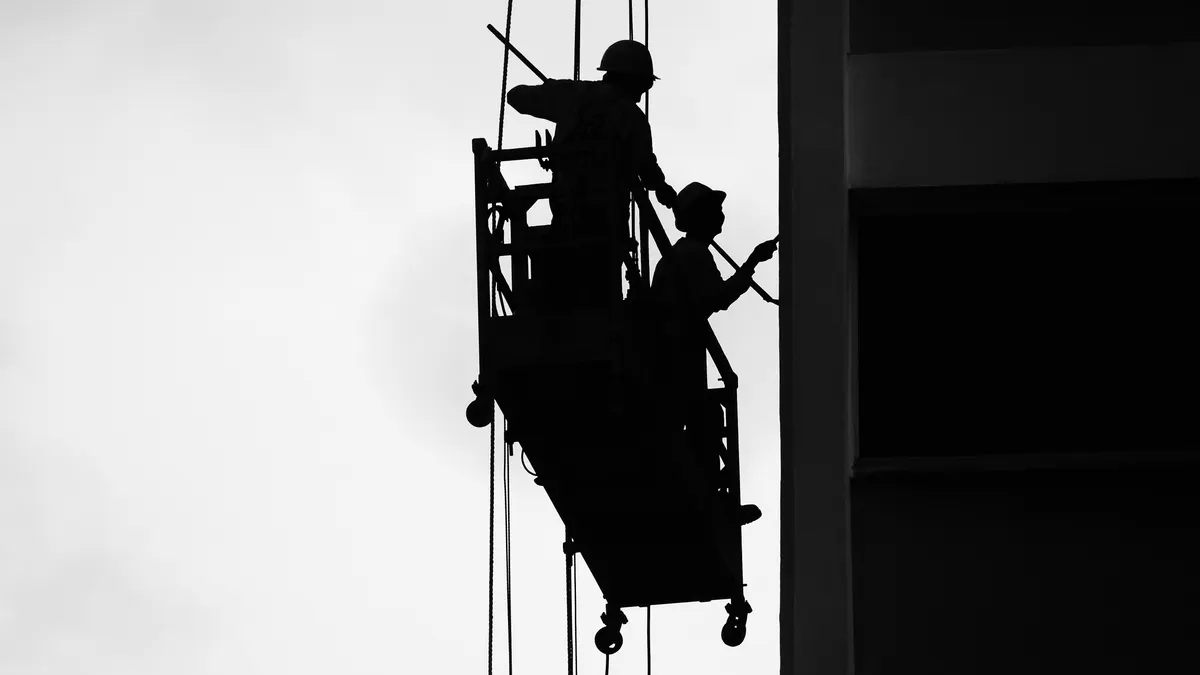
An amended report from your QEWI clears the Unsafe status and lets the shed come down.
What Are FISP Repairs, and Which Brooklyn Buildings Need Them?
FISP repairs are the facade fixes that correct the Unsafe and SWARMP conditions listed in a Local Law 11 report. Any Brooklyn building taller than six stories that receives either rating needs them. The report itself only records the problem. The repairs are what clear it with the NYC Department of Buildings, and until they are done, an Unsafe rating keeps the sidewalk shed up and the penalties possible.
The work usually runs in this order: public protection stays in place, Unsafe items are repaired first, and SWARMP items follow on a schedule that fits the completion date. As each item is finished, we photograph it against the report’s item number. Your QEWI uses those records to file the amended report in DOB NOW, which is the step that actually closes the finding.
Facade Areas That Most Often Need FISP Repairs
Inspectors check every wall, but these four areas account for most of the repair lists we price.
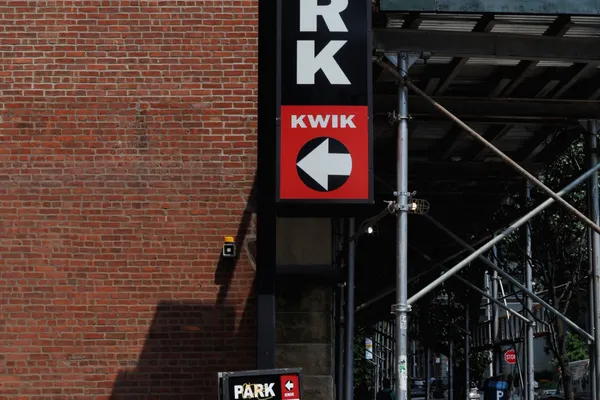
Anything that could fall on the public way is treated first, because it drives the shed and the penalties.
Balcony Slabs and Railings
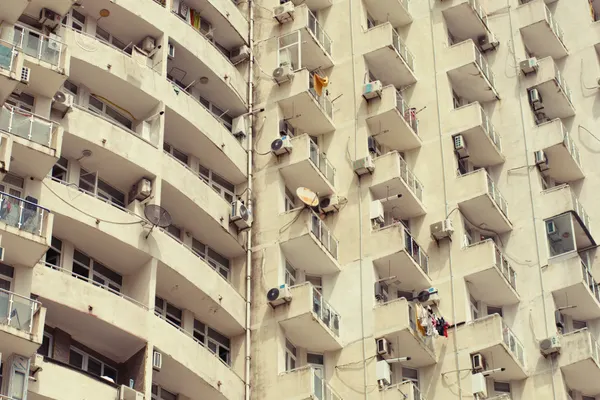
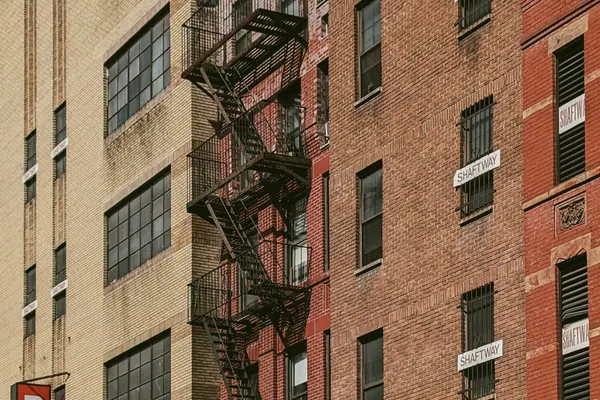
Cracked slab edges, loose railings and rusted rail anchors are common Unsafe findings on mid-century towers.
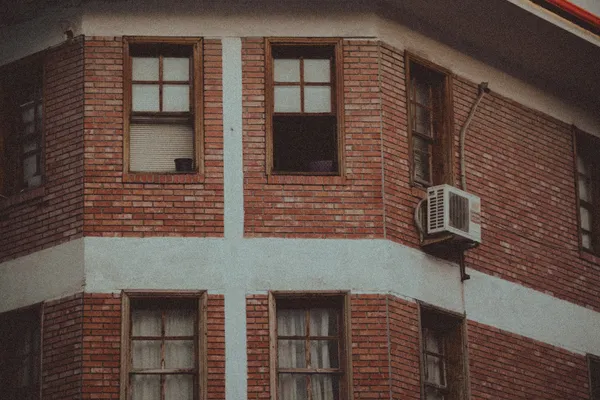
Loose sleeves, failed sealant and shifted brick around openings show up across every elevation.
Walls over walkways people can reach are inspected like street walls, and repaired to the same standard.
Repair Options for Unsafe and SWARMP Facade Conditions
Not every finding needs the same fix. The right option depends on how urgent the item is and what is behind it.
| Option | When It Fits | Disruption Level |
|---|---|---|
|
Make-safe removal |
Loose material could fall now, and the permanent repair needs design or special materials |
Low: one visit by rope access or a small rig |
|
Repair in place |
Most Unsafe and SWARMP items where the steel, anchors or backup wall are still sound |
Moderate: a scaffold or rig on that elevation for the work period |
|
Rebuild or replace |
The anchor, steel or backup wall has failed, as with a deteriorated balcony slab or wall section |
High: longer work at those apartments, often with engineered drawings |
|
Phased SWARMP program |
SWARMP items with time left before their completion date |
Low to moderate: work spread over seasons and elevations |
How the FISP Repair Process Works, From Report to Amended Filing
Four steps take each item from the report to a filing your inspector can sign.
Line-Item Pricing of Your FISP Report
We match each listed condition to a repair and a line price, with Unsafe items at the top.
Public Protection and DOB Permits
Shed, netting, scaffold or hanging rig, and the DOB permits the work needs, before anyone goes up.
Repairs With Dated Photo Records
Before and after photos are dated and tagged to the report’s item numbers.
Records for Your QEWI's Amended Report
Your inspector reviews the work and files the amended report, and the shed comes down once DOB accepts it.
SWARMP vs Unsafe: What Each FISP Rating Means for Repairs
The rating on each item decides how fast you must act, what has to stay in place, and what it costs to wait.
Unsafe Conditions: Fix Within 90 Days
- DOB is notified right away through a FISP3 filing, and public protection goes up at once.
- The shed or netting stays until DOB accepts an amended Safe or SWARMP report, or approves a Partial Shed Removal.
- Repairs are due within 90 days. More time comes only through extension filings (FISP1, then FISP2).
- Any period not covered by an extension can bring penalties of $1,000 a month.
SWARMP Conditions: Fix Before the Completion Date
- The condition is safe today, so no shed is needed for it.
- Your QEWI sets a completion date between one and five years from the report.
- If the date will slip, a subsequent report has to change it before it passes.
- An item cannot stay SWARMP for two cycles in a row. Left unrepaired, it is rated Unsafe next time, and missing the date can bring a $2,000 penalty.
Ways to Lower FISP Repair Costs Without Delaying Compliance
Small choices early in the job decide how much of the budget goes to rent, setup and paperwork.
Shorten Sidewalk Shed Rental
Every month a shed stands costs rent. Finishing one elevation early can support a Partial Shed Removal.
Get Line-by-Line Repair Pricing
A price per report item lets you compare quotes fairly and see where your board budget goes.
Keep Extension Paperwork Ready
Signed contracts, permits and progress photos make extension requests easier and help avoid penalty gaps.
Share the Full Report Before the Site Visit
Elevations, photos and item numbers up front mean fewer surprises and a tighter quote.
Keeping Residents Informed During FISP Repairs
Most FISP work happens outside, but a few parts of it reach into apartments.
Balcony and Terrace Closures
Residents are told which balconies are off limits, why, and when they reopen.
Scheduled Window and Sleeve Access
When a repair needs access from inside, visits are booked by appointment, not by surprise.
Weekly Rig Location Notices
Notices say which elevation the rig is on each week, so residents can plan for privacy.
Have an Unsafe Item on Your FISP Report?
Send it over and we will tell you what has to happen first.
What Affects the Cost of FISP Facade Repairs in Brooklyn
Two reports with the same number of items can price very differently. These five factors make most of the difference.
-
Mix of Unsafe and SWARMP Items
How many items are on the report, and how many of them carry the 90-day clock.
-
Building Height and Access Method
Shed, pipe scaffold, hanging rig or rope access, chosen by height and wall layout.
-
Work Over the Public Sidewalk
How much of the job sits over the public way, which sets shed length and permits.
-
Materials That Must Be Matched
Custom brick, stone or railing profiles take longer to source than standard stock.
-
Time Pressure on the Schedule
A tight 90-day window or extension date can mean larger crews or extra shifts.
FISP Repair Questions From Brooklyn Building Owners
Any work that corrects a condition rated Unsafe or SWARMP in your facade report, such as rebuilding loose brick, replacing rusted rail anchors or resetting a loose sleeve. Routine cleaning or painting alone does not clear a finding.
Until the completion date your QEWI sets in the report. DOB rules require that date to be at least one year and no more than five years after the report.
Yes. The same condition cannot be reported as SWARMP in two cycles in a row. If it is still unrepaired at the next inspection, it must be rated Unsafe.
Your QEWI can file an extension request (FISP1 first, then FISP2 for later ones) in DOB NOW. Each costs $305. Penalties of $1,000 a month can apply to any time not covered by an extension.
After DOB accepts an amended report showing the Unsafe conditions are now Safe or SWARMP. A Partial Shed Removal can be approved sooner for sections that are already fixed.
Your QEWI files it in DOB NOW. We supply the dated photos and repair notes for each item so the inspector can confirm the work and file without delay.
Usually, yes. Sidewalk sheds, scaffolds and most facade repair work need DOB permits. We arrange the permits for our scope before work starts.
More Facade Repair Services for Local Law 11 Compliance
Rusted lintels are behind many Unsafe ratings at window heads.
Open joints, bulging brick and leaning parapets.
Corroded brackets, treads and anchors on the facade.
Budgets, board approvals and timelines for the whole project.
Ready to price your report? Send it through our contact page or call (917) 355-8556.