Local Law 11 Compliance for Brooklyn Co-ops, Condos and Rental Buildings
In a co-op, condo or rental building, the facade repairs are only half the job. The board or owner has to approve them, the money has to come from somewhere, and residents have to be told before anyone goes up. We prepare a bid your board can vote on, file the permits and Tenant Protection Plan, write the resident notices, and report after every phase until the work is closed out.
Bids Built for Board Votes
Scope, options and a schedule in hand before the meeting, not after it.
Tenant Protection Plans Filed
For permitted work in an occupied building, we file the plan with DOB along with the permits.
Close-Out Records Kept
Contracts, invoices and dated photos the board, a lender or DHCR may ask for.
Who Is Responsible for Local Law 11 in a Co-op, Condo or Rental?
Local Law 11, also called FISP, puts the duty on the building owner, and in a shared building the owner is not one person. In a co-op it is the cooperative corporation, acting through its board and managing agent. In a condo, the board manages the facade as a common element on behalf of every unit owner. In a rental building, it is the owner of record, often an LLC run by a management company.
The repairs needed for Local Law 11 compliance are the same in all three. What changes is who signs, where the money comes from and which rules decide how residents are told. Deadlines for each rating are on our FISP repairs page, and the methods behind each repair are on the service pages linked below.
Where Facade Projects in Shared Buildings Stall
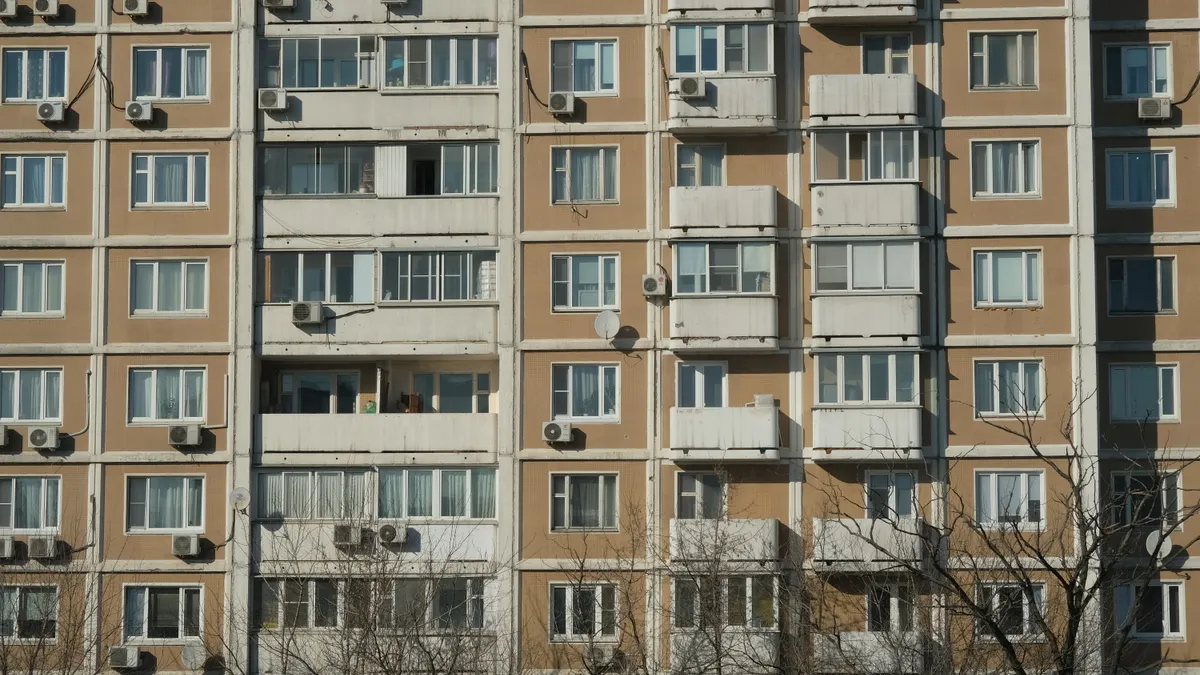
Most delays in co-op and rental buildings have nothing to do with the masonry. These are the four we see most.

Waiting on Board Approval
A bid that arrives the week after the board meets can cost a month before anyone votes.

Funding Not Lined Up
A signed contract with no approved assessment or loan behind it can stop work halfway.
Apartment Access Not Arranged
Work from inside a unit waits until written notice has gone out and visits are booked.
Terraces and Resident-Owned Items
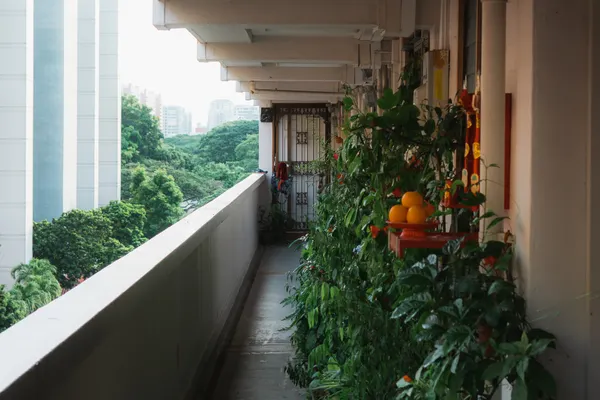
Planters, enclosures, AC units and dishes have to be cleared before a crew can reach the wall.
How Boards and Owners Pay for Facade Repairs in Brooklyn
Most projects use one or two of these routes. The board’s accountant or attorney makes the final call; this is simply what we see Brooklyn owners use. We bill by phase, so payments can follow an assessment or loan schedule.
| Funding Route | Who Uses It | What to Know |
|---|---|---|
|
Reserve fund |
Co-ops and condos with savings set aside |
Quickest to approve because the money exists, but a long report can drain it |
|
Special assessment |
Co-ops, usually split by shares, and condos, usually split by common interest |
A one-time charge approved by the board under the bylaws, often spread over several months |
|
Maintenance or common charge increase |
Co-ops and condos paying over time |
Spreads the cost into monthly bills, but raises a large sum slowly |
|
Line of credit or refinance |
Co-ops with an underlying mortgage, and rental owners |
Pays the contractor as work moves forward, with interest and lender paperwork added |
|
Major capital improvement (MCI) increase |
Rent-stabilized rental buildings |
The owner pays first and applies to DHCR afterward; increases are capped at 2% a year and removed after 30 years |
A Compliance Project, From Bid to Close-Out
Each stage ends with something the board or owner can review and sign off on.
A Bid the Board Can Vote On
Scope, repair and replacement alternates, phasing options and a schedule, sent before your board meets, and we can walk the board through it in person or by video.
Permits, TPP and Resident Notices
We file the DOB permits and Tenant Protection Plan, and prepare the resident notices for posting and delivery.
A Progress Report After Every Phase
What was finished, what comes next and any added work found once the wall is opened, sent to the managing agent and board.
A Close-Out Package for the Files
Final invoices, permit sign-offs and dated photos, ready for the board’s records, a lender or a DHCR application.
Co-op, Condo or Rental: Who Decides and Who Pays
The same facade report lands differently depending on how the building is owned.
Co-ops
The corporation owns the building, so the co-op board approves the contract and shareholders share the cost, usually in proportion to their shares. The proprietary lease decides how crews reach terraces and windows inside apartments.
Condos
The facade is a common element, so the board contracts for the work and charges unit owners by their common interest. Terraces are often limited common elements, with their own rules on who pays for what sits on them.
Rental Buildings
One owner decides and pays. In rent-stabilized buildings the owner may later apply to DHCR for an MCI increase, and tenants keep their right to written notice before anyone enters their home.
Funding Moves That Prevent Stop-Start Projects
Projects in shared buildings rarely stop because of the wall. They stop because the money or the paperwork was not ready.
Approve Funding Before the Contract
Line up the assessment, reserve draw or loan first, so crews are not sent home halfway through.
Ask for Alternates in the Bid
Repair and replacement prices side by side let the board choose where to spend.
Start Saving for the Next Cycle
Facade reports come back every five years, so a yearly reserve contribution beats a new assessment each time.
Keep MCI Records From Day One
DHCR asks for contracts, invoices and proof of payment, so rental owners should file them as the job goes.
Notices the Law Requires Before Work Starts
In New York City, residents of an occupied building are told about permitted work in writing. These three notices come up on most facade jobs.
Safe Construction Bill of Rights
Given to each apartment or posted in the lobby and near elevators or stairs, with work hours, contacts and the expected finish date.
Tenant Protection Plan Notice
Where a Tenant Protection Plan is filed, each occupied unit is served a notice, and DOB is told at least 72 hours before work begins.
A Week's Written Notice to Enter
Repairs that need access from inside an apartment get written notice at least a week ahead, except in an emergency.
Planning Facade Work for a Board or a Rental Building?
Send the facade report and tell us how the building is owned, and we will put together a bid your board or ownership can act on.
Five Things That Size a Shared-Building Budget in Brooklyn
Local Law 11 cost in a co-op or rental building starts with the repair list. These five things move the rest.
-
Number of Buildings on the Site
Co-op complexes with several towers can share setup and permits, or be phased one building at a time.
-
Work That Reaches Inside Apartments
Openings repaired from inside need scheduled visits, protection and more crew time.
-
Resident-Owned Items in the Way
Terrace enclosures, planters, AC units and dishes that have to come off the wall and go back.
-
Hours and Rules Set by the Building
Limits on work hours, holiday freezes or elevator use stretch the schedule.
-
Notice and Paperwork Lead Time
Board meetings, the TPP filing and resident notices decide how soon work can start.
What Boards and Landlords Ask Before Signing
The co-op corporation, which owns the building. The board approves the inspection, the repair contract and the funding, and the managing agent usually runs the day-to-day work. Shareholders do not file or hire anyone themselves, but they share the cost.
Yes. Most co-ops pay through the reserve fund, a maintenance increase or a special assessment, usually split in proportion to each apartment's shares. The bylaws and proprietary lease set how the board can do this, so the board's attorney confirms it before the vote.
It can be. Building-wide work that is depreciable, essential to the building and benefits all tenants can qualify, and DHCR lists pointing as an MCI item. Since 2019, increases are capped at 2% a year, removed after 30 years, and not allowed where 35% or fewer units are rent-regulated or hazardous violations are open. DHCR decides each application.
Most permitted facade work in an occupied apartment building does. The plan explains how egress, fire safety, health, housing standards, structural safety, noise and essential services will be protected, and DOB must be told at least 72 hours before work starts.
Written notice at least one week ahead for repairs, under the city's access rule, 28 RCNY 25-101. In an emergency the owner can enter sooner but must still try to reach the tenant. We book inside visits through the managing agent so the notice goes out on time.
The building's rules decide what residents handle themselves. On most jobs our crew removes window AC units, terrace enclosures, satellite dishes and window guards and puts them back once the board or owner approves, while residents clear planters and furniture from terraces and sills.
The repairs can take weeks or many months, depending on the report. In a co-op, add time before the first day on site for the board vote, funding approval, permits and the Tenant Protection Plan. Asking for a bid as soon as the report arrives is what keeps the deadline within reach.
Repairs That Most Often Fill a Board's Report
Deadlines and close-out for each rating on the report.
Window heads, often the longest line on the list.
Joints and parapets across whole elevations.
A common item on rental buildings.
Have a report and a board meeting coming up? Send it through our contact page or call (917) 355-8556.