
Cast Stone, Limestone and Art Deco Ornament Repair in Brooklyn
Sills, window surrounds, belt courses and the decorative panels on Art Deco buildings are often cast stone, while older row houses and apartment buildings carry limestone and brownstone trim. We patch what can be saved, replace what cannot with new castings from molds of the original or new pieces of matching stone, and reset each piece on stainless steel anchors, matched in color and texture to the wall around it.
Most Damage Is Repairable
Isolated spalls and worn surfaces can usually be patched rather than replaced.
Molds Taken From Your Own Pieces
Replacement units are cast from a sound original, so the profile matches.
Stainless Steel Anchors
New pins and anchors will not rust and split the stone again.
What Is Cast Stone, and Why Does It Crack?
Cast stone is a concrete made to look like cut natural stone, using crushed limestone, marble or granite and pigments in a cement binder. It was tamped or poured into molds, which made it far cheaper than carving, so builders used architectural cast stone for sills, window surrounds, copings and belt courses and, on Art Deco buildings of the late 1920s and 1930s, for whole panels of geometric and floral ornament.
Most cast stone fails from the inside. Steel reinforcing bars and anchors set too close to the surface rust, swell and split the face off, especially on sills and copings that stay wet. Other units lose their colored face layer or erode until the stone grains stand out. These cracks and loose pieces often appear on a FISP report, and the fix is usually a patch or a single new casting, not a new facade.
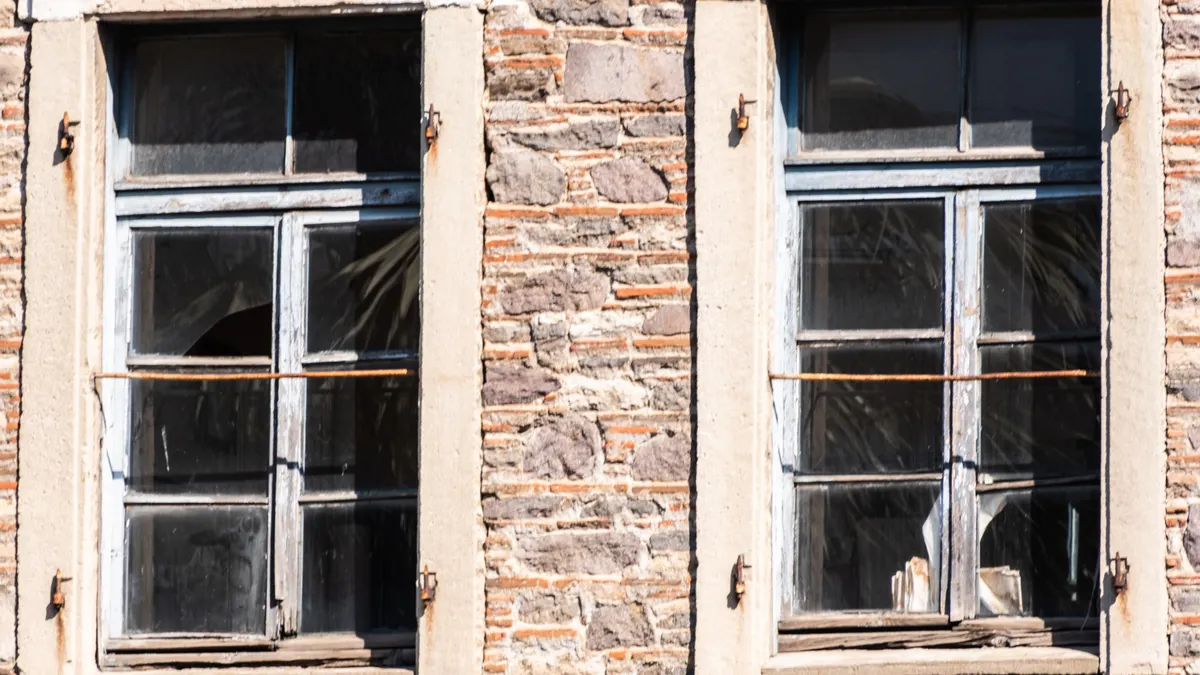
How Cast Stone Shows Its Age
Each type of damage points to a different repair, so we read the stone before pricing it.
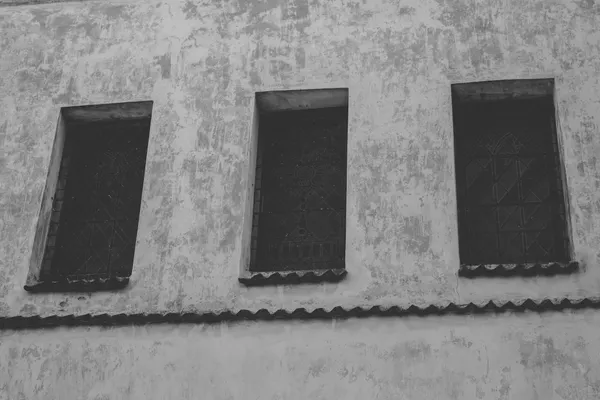
Rust Stains and Split Sills
Orange streaks and cracks along the length of a sill, where buried steel is rusting.
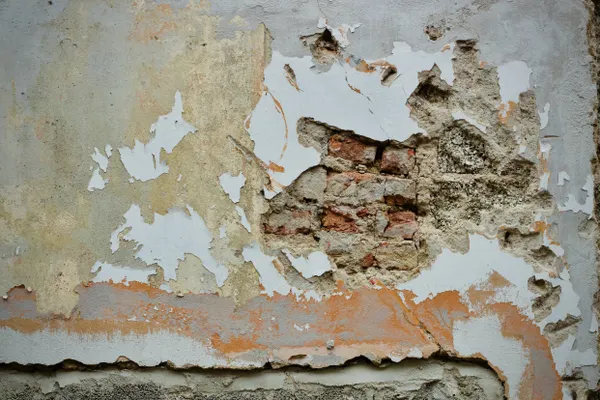
Spalled Corners and Edges
Chunks missing from corners and drip edges, often after repeated freezing and thawing.
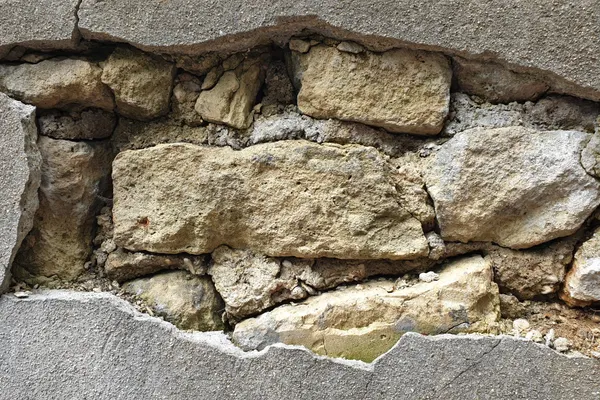
A Face Layer Coming Away
A thin outer skin lifting off a coarser core, common on older tamped units.
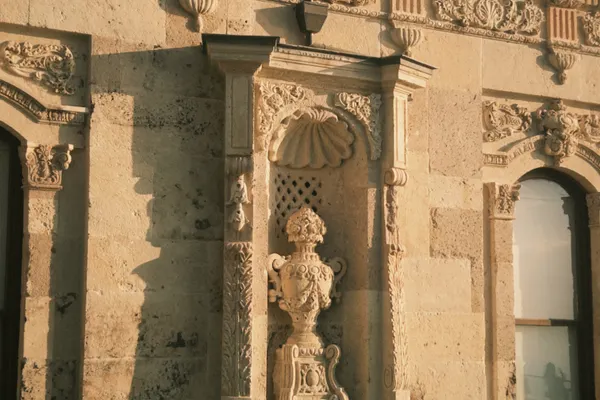
Worn, Gritty Ornament
Detail on panels and bands softening as the surface erodes and the stone grains stand proud.
Cast Stone Repair Options, From Patch to Full Recast
We start with the least invasive fix that will last, and replace only the units that cannot be saved.
| Repair | When It Fits | What It Involves |
|---|---|---|
|
Composite patch |
Isolated spalls or chipped edges, with sound stone around them |
The damage is cut back to sound material at least half an inch deep, any steel is cleaned and primed, and a mortar matched to color and texture is built up in place |
|
Crack and face repair |
Hairline cracks, or a face layer starting to lift |
Cracks are injected or sealed and the face is pinned back to the core with stainless steel pins |
|
Dutchman insert |
A damaged area on limestone or brownstone trim too large to patch |
The damaged section is cut out and a new piece of matching stone is set in its place |
|
Recast replacement |
Units split through, badly rusted or missing, often sills and copings |
A mold is taken from a sound original, a new unit is cast with stainless steel reinforcement, and it is set on new anchors |
How We Repair Cast Stone Without Losing the Detail
Every piece goes through the same four stages before it goes back on the wall.
Sound and Map Every Unit
Each sill, band and panel is tapped, photographed and marked as patch, pin or replace.
Match Color and Texture First
Patch mortars and new castings are sampled against the cleaned original and approved before work starts.
Molds From the Best Surviving Piece
A sound original is molded so the new piece keeps its profile, then cast by our team or by a specialist cast stone shop for larger or more detailed runs.
Reset on Stainless Steel Anchors
Repaired and new units are fixed with stainless pins and anchors, then the joints are sealed or pointed.
Cast Stone vs Natural Stone: Why the Repair Is Different
From the sidewalk they can look the same, but they fail and are repaired in different ways.
Cast Stone
A molded concrete with stone aggregate, often with steel inside. It cannot be re-carved in place, so damage is patched with a matched mortar or the unit is recast from a mold. Rusting steel is the most common cause of failure.
Limestone and Brownstone
Quarried stone cut to shape, with no steel inside but natural layers in the stone. Brownstone especially flakes along those layers. Damage is patched, or cut out and replaced with a new piece of matching stone, known as a Dutchman repair.
Spending Less on Cast Stone Without Cutting Corners
The cheapest piece of cast stone is the one you keep, so these steps favor saving originals.
Patch Before You Replace
A matched patch costs a fraction of a new casting and keeps the original piece in place.
One Mold, Many Castings
Where several sills or panels share a profile, a single mold serves them all.
Keep Water Off Sills and Copings
Sealed joints and clear drip edges stop the rust that splits cast stone.
Pin Loose Ornament Before It Falls
Pieces pinned back in place can be saved; pieces that drop usually cannot.
Living Next to Cast Stone Repairs
Stone repair is mostly hand work, so the disruption is small, but a few things change for residents.
Plants and Items Off the Sills
Planters and other items are moved off sills before repairs and can go back once patches cure.
Quieter Than Most Facade Work
Patching and pinning are done by hand, with far less noise than cutting out brick joints.
Covered Openings When Panels Come Off
If a panel is removed to be recast, the opening behind it is covered and nearby residents are told first.
Cracked Sills or Loose Ornament on Your Building?
Send photos of the stonework or your facade report, and we will tell you which pieces can be patched and which need recasting.
What Goes Into the Price of Cast Stone Repair in Brooklyn
Cast stone is priced piece by piece. These five things decide most of the number.
-
Number and Size of Units
How many sills, bands or panels need work, and how large each one is.
-
Patch or Recast
Patching is priced by area; recasting adds mold making and shop production.
-
Ornament Detail
Plain sills are simple, while deep Art Deco relief needs detailed molds and careful matching.
-
Rusted Steel Inside
How much reinforcing or anchoring has to be cut out and replaced with stainless steel.
-
Height and Access
Whether the pieces can be reached by rope access, or need a rig or scaffold.
Brooklyn Cast Stone and Ornament Repair FAQs
A mix of cement, sand and crushed stone such as limestone, marble or granite, with pigments added to imitate natural stone. Historic units were either tamped dry into molds, which often left a decorative face over a plainer core, or poured wet, with the same mix all the way through.
Most damage is repairable. Isolated spalls, chipped edges and worn surfaces are patched with a mortar matched to the original. Replacement makes sense when a unit is split through, its steel has rusted badly, or it stays wet most of the time, as sills and copings often do.
We sample the existing stone and mix the patch or new casting to match its color, aggregate size and texture, then compare samples in daylight before approving the mix. A cleaned area is used as the reference, because dirt changes how the original looks.
A mold is taken from a sound original or a repaired piece, and a new unit is cast with stainless steel reinforcement, by our own team or, for larger or more detailed runs, by a specialist cast stone shop. It is then set back on new anchors. Matching pieces elsewhere on the building can come from the same mold.
Limestone is quarried and cut, while cast stone is molded concrete made to look like it. Cast stone often has steel inside, which is why it splits as the steel rusts, while limestone and brownstone wear along their natural layers. Each needs its own repair materials and methods.
Usually not. Paint and cement-based coatings change how it looks and can trap moisture inside, which speeds up the rust and cracking underneath. Cleaning should be gentle too, since sandblasting erodes the surface.
For large, lightweight pieces such as window hoods and some ornament, glass fiber reinforced concrete works well, mounted on a stainless or galvanized frame, and we use it where the weight of solid stone would be a problem. For sills, copings and pieces that carry weight, solid cast stone is the better choice.
Facade Work Done Alongside Stone Repair
When stone trim is listed as SWARMP or Unsafe on your report.
Rusted steel behind stone window heads.
Worn joints in the brick around sills and bands.
Terra cotta and cornices on older buildings.
Have stonework you want assessed? Send photos through our contact page or call (917) 355-8556.