
Pre-War Facade Repair for Brooklyn Apartment Buildings
Older brick buildings were made with softer mortar, terra cotta trim and steel hidden inside the walls. We repair them the way they were built: matched brick, compatible mortar, re-anchored terra cotta and treated steel, with LPC approval in place when the building is landmarked.
Mortar Stays Softer Than Brick
Repair mortar must be softer than the old brick, or the brick takes the damage.
Landmark Approval Comes First
Landmarks and buildings in a historic district need an LPC permit before exterior work.
Matched Before Repaired
Brick, mortar and terra cotta are matched to the originals before work starts.
What Makes Pre-War Facade Repair in Brooklyn Different?
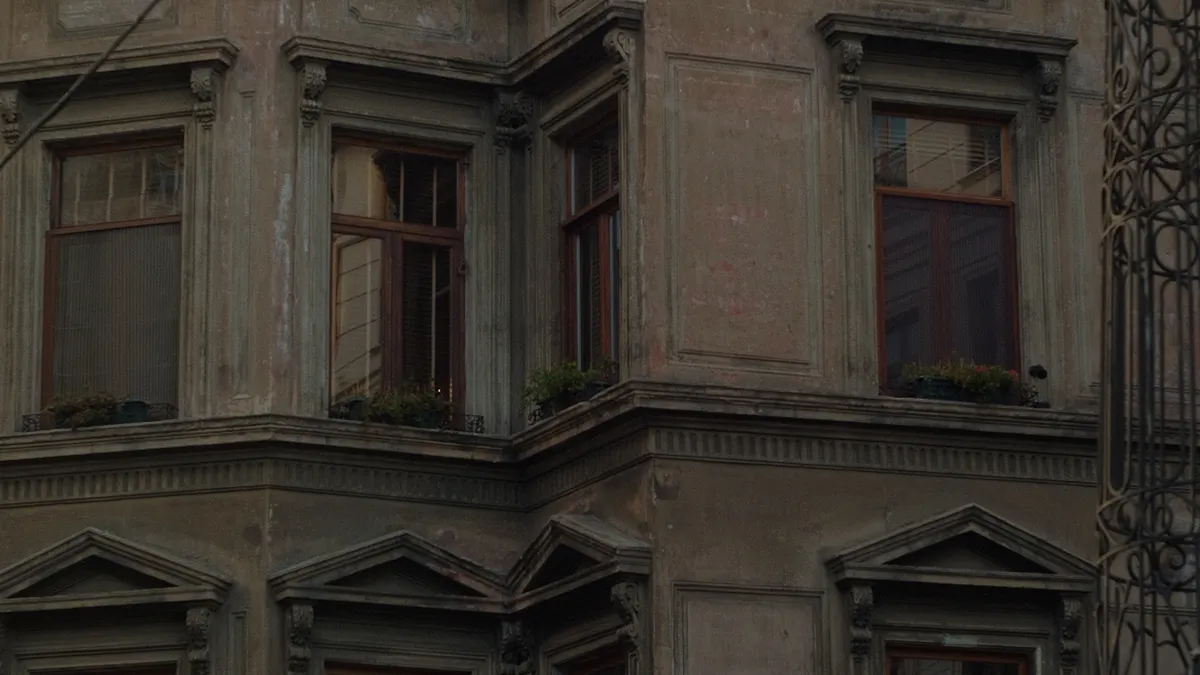
Brooklyn’s pre-war apartment buildings, most of them put up between the early 1900s and the early 1940s, have walls that behave differently from modern ones. They combine thick solid brick, lime-rich mortar, terra cotta trim and, on taller buildings, a steel frame wrapped in masonry. These walls manage water by letting it move through the mortar joints and dry out. Repairs that fight that, such as hard cement pointing or waterproof coatings, often cause the next round of damage.
That is why every job starts by finding out what the wall is made of: small test openings where steel hides, mortar samples, and brick and terra cotta matching. Repairs then use materials that are no harder than the originals, with new anchors and flashing wherever water was getting in. The same approach applies to Unsafe and SWARMP repairs on a Local Law 11 report and to planned restoration. If the building is a landmark or sits in a historic district, we file for the LPC permit ourselves before work begins, alongside the DOB permits.
What a Pre-War Facade Is Made Of, and Why It Matters
Four materials shape almost every repair decision on these buildings.
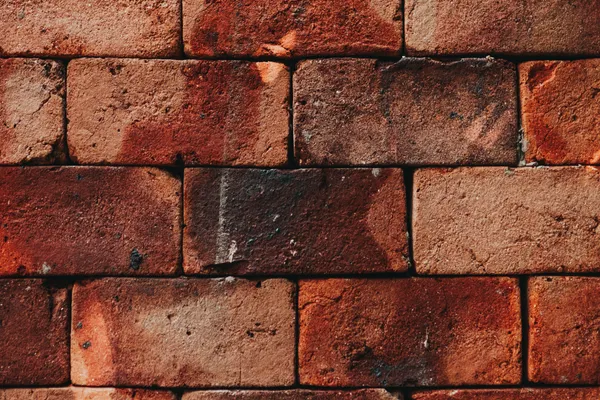
Walls several bricks thick, tied together by header courses, that rely on drying out instead of a cavity.
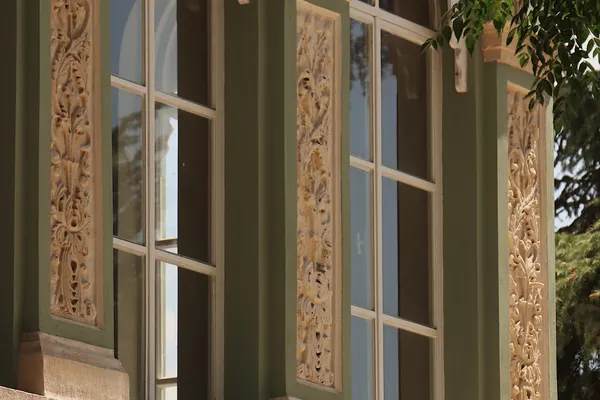
Glazed Terra Cotta Trim
Hollow fired-clay units held by metal anchors, used for window surrounds, bands and keystones.
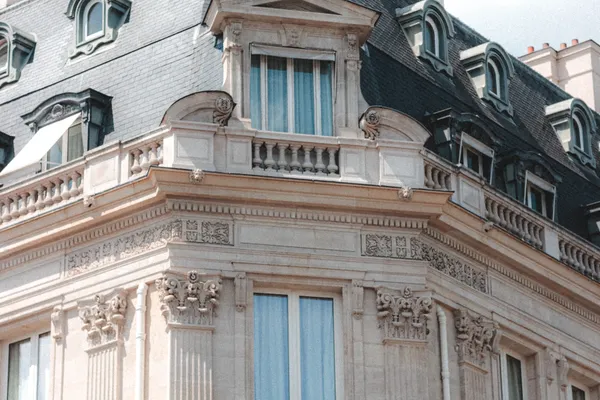
Terra Cotta and Sheet Metal Cornices
Projecting roof-line trim, either heavy clay pieces or thin pressed metal on a light frame.
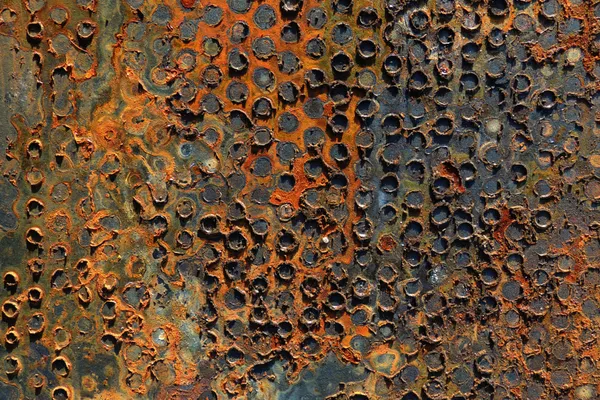
Taller buildings carry their floors on steel columns and beams wrapped in brick, with steel lintels over the windows.
Repair Options for Cornices, Terra Cotta and Old Brick
The choice depends on how much of the original piece is sound and how much the detail matters to the building.
| Option | When It Fits | Disruption Level |
|---|---|---|
|
Repair in kind |
The original brick or terra cotta is sound, and damage is limited to joints, small spalls or loose anchors |
Low to moderate: work from a rig or scaffold on one elevation |
|
Replace with matching units |
Units are cracked through or missing, and the detail matters, as on a landmarked facade |
Moderate: new pieces are made to order, so the work runs in two visits |
|
Substitute material |
Ornate or heavy pieces, often cornices, where new terra cotta is slow or impractical; precast or fiberglass replicas are used |
Moderate: lighter pieces install faster than clay |
|
Make-safe removal and salvage |
A cornice or trim piece is loose now and the permanent fix will take longer; pieces are saved as patterns |
Low: one visit, with LPC notified if the building is landmarked |
How We Restore a Pre-War Facade in Brooklyn, Step by Step
Four steps keep old materials from being treated like new ones.
Hands-On Survey and Test Openings
We tap trim for hollow spots and open small areas at corners and piers to check hidden steel.
Material Matching and a Test Panel
Mortar samples, brick and terra cotta matches, and a small test panel set the standard for the job.
DOB Permits and LPC Filing
We file the DOB permits and, for landmarked buildings, the LPC application ourselves, so work starts approved.
Repairs, Steel Treatment and Records
Rusted steel is cleaned and protected or reinforced to an engineer’s design, units are re-anchored, and dated photos go to your inspector.
Common Facade Damage on Pre-War Brooklyn Buildings
On older buildings, damage tends to gather in the same five places.
Cornices at the Roof Line
Rusted anchors and open joints let heavy cornice pieces shift, and thin metal cornices rust through from behind.
Terra Cotta Surrounds and Belt Courses
Water trapped behind the glaze cracks and spalls the face, and corroded anchors loosen whole units.
Corners and Piers Over Hidden Steel
Rust on the buried frame swells and pushes brick outward, leaving vertical cracks at corners and columns.
Brick Damaged by Old Cement Repairs
Hard cement pointing and patches from past decades trap water, so the brick faces next to them pop off.
Painted or Sealed Brick
Coatings can hold moisture in the wall, hide cracks from the inspector and peel away in sheets.
Keeping Pre-War Restoration Costs Predictable
On old buildings, most budget surprises come from what is hidden. These steps bring it to light early.
Probe Before You Price
A few test openings early show hidden steel damage before it turns into a change order.
Repair Cornices While They Can Be Saved
Resetting anchors and sealing joints now costs far less than a full replica later.
Approve One Mortar for the Whole Building
A single tested mix and one approved test panel serve every elevation.
Group LPC Work Into One Application
Filing the whole scope together avoids repeat reviews and stop-start scheduling.
Pre-War Facade Work in Occupied Apartment Buildings
Pre-war work reaches parts of the building newer jobs rarely touch.
Short Visits to Corner Apartments
Checking steel at corners and piers can need brief, scheduled access from inside.
Covering Original Windows and Sills
Old sashes, sills and decorative glass are protected before any masonry work nearby.
Notice for Top-Floor Residents
Cornice and roof-edge work is loudest on the top floor, so those apartments hear first.
Own a Pre-War Building With an Open Facade Report?
Send the report and a few photos of the cornice and trim, and we will tell you what can be saved.
What Drives the Cost of Pre-War Facade Repair in Brooklyn
Older buildings price differently because so much depends on what the wall hides and how closely the repair must match.
-
Hidden Steel Found Once the Brick Is Opened
How much framing has rusted, and whether it needs cleaning, coating or new steel.
-
Custom Brick and Terra Cotta
Matching, fabrication and lead times for pieces that are no longer made.
-
Landmark Status
Whether the building needs LPC review, and how detailed the approved materials must be.
-
Cornice Size and Treatment
Whether the cornice is repaired, replicated in a lighter material or removed.
-
Height, Frontage and Access
How heavy pieces get up and down, and how much of the work sits over the sidewalk.
Pre-War Facade Questions From Brooklyn Owners
Old walls are meant to let moisture escape through the joints. If new mortar is harder and less porous than the brick, water and salts stay in the brick instead, and its face cracks and spalls. That is why we match a softer, often lime-rich mix to the original.
Sometimes. A loose cornice can be taken down to make the wall safe, with the pieces saved. On a landmark or in a historic district, permanent removal or replacement needs an LPC permit, and a replica in lighter material is often the approved route.
Yes. The Landmarks Preservation Commission requires a permit for exterior work on landmarks and buildings in historic districts, even on walls not seen from the street. Most permits are issued at staff level when the work follows LPC rules, and we prepare and file the application ourselves.
We salvage sound brick from the same building where we can. Otherwise we source new brick matched for size, color and texture, and confirm the match on a small test panel before the wider repair.
It is damage caused when steel buried in the wall rusts and expands, pushing the brick or terra cotta outward. The fix is to open the masonry, clean and protect the steel or reinforce it to an engineer's design, and rebuild with flashing so water stays out.
Small cracks and glaze spalls can often be sealed or patched. Units with deep spalls, broken sections or missing pieces are replaced, in new terra cotta or a precast or fiberglass replica, and every replacement is fixed with new anchors, not mortar alone.
Not without a test first. Some coatings trap water and need to come off, but harsh stripping can damage soft old brick. If a test patch shows the face would suffer, we repair the wall and recoat it with a breathable masonry coating instead.
More Masonry and Facade Services for Older Buildings
Clearing Unsafe and SWARMP items before their deadlines.
Rusted steel over windows, replaced in occupied apartments.
Joints, bulging walls and parapets on solid brick buildings.
Matching sills, bands and decorative panels.
Planning work on an older building? Send your report through our contact page or call (917) 355-8556.