Brick Pointing and Wall Rebuilds for Brooklyn Buildings
Worn joints, leaning parapets and bulging brick are some of the most common masonry items on a Brooklyn facade report. We cut out failed mortar to the right depth, repoint with a mix matched to your wall, and take down and rebuild the sections that have moved, tying them back so they stay put.
Joints Cut to the Right Depth
Old mortar comes out to at least twice the joint width, so the new mortar has something to grip.
Parapets Checked Every Year
NYC requires a yearly observation of parapets that face a street; we carry it out and make the repairs it calls for.
Moved Brick Gets New Ties
Bulging or rebuilt sections are anchored back to the wall behind them.
What Is Brick Pointing, and When Does a Wall Need Rebuilding?
Brick pointing, also called repointing or tuckpointing, is the work of cutting worn mortar out of the joints and packing in fresh mortar. Mortar is meant to be the weaker, replaceable part of a brick wall: it wears first so the brick does not have to. Once joints are recessed, crumbling or cracked, water gets behind the face of the wall, and repointing restores the seal. Done properly, it lasts for decades rather than a few winters.
Pointing stops being enough once the brick itself has moved. If a section bulges, leans or has come loose from the wall behind it, filling the joints only hides the problem. That section is taken down and rebuilt, usually with new ties, and parapets are where this happens most often. Many of these items appear as SWARMP or Unsafe conditions on a FISP report; this page covers how the masonry itself gets fixed.
Where Brick Walls Fail First on Brooklyn Buildings
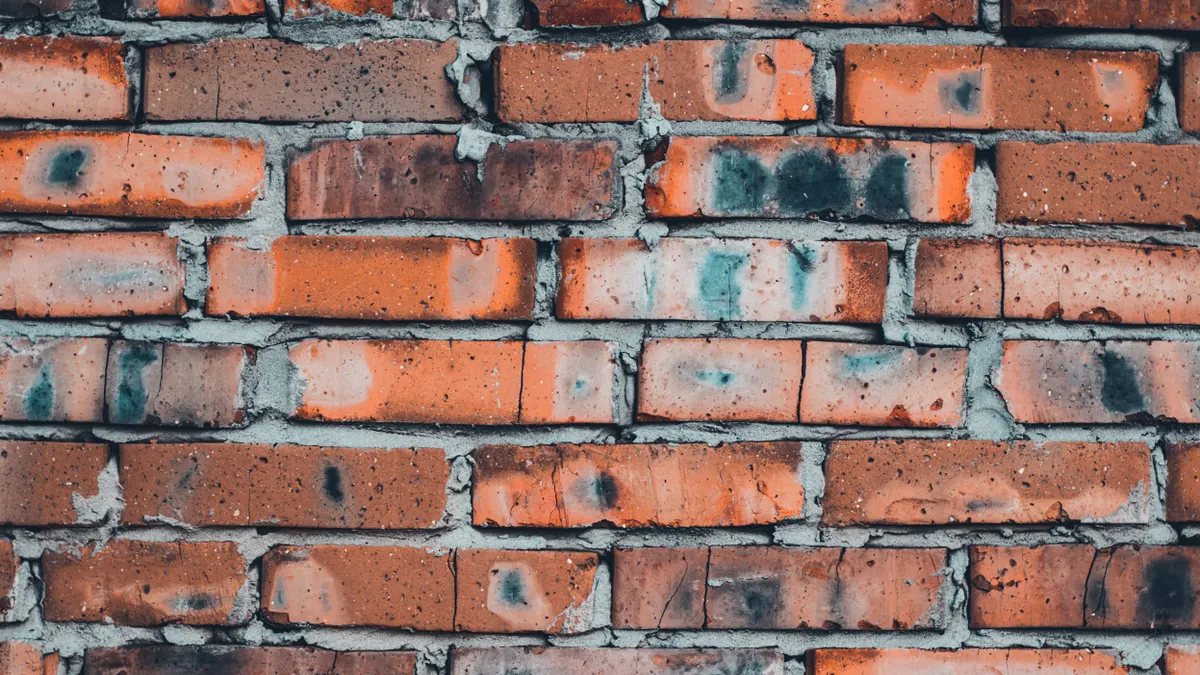
Masonry rarely wears evenly. These four spots usually go first.
Parapet Walls Above the Roof
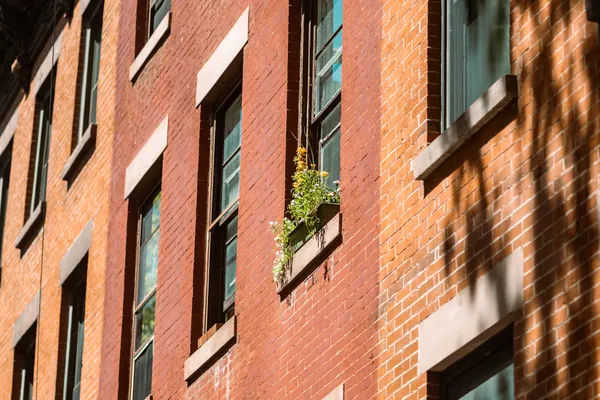
Exposed to weather on both sides, parapets crack, lean and lose their copings before the walls below.
Recessed or Powdery Mortar Joints
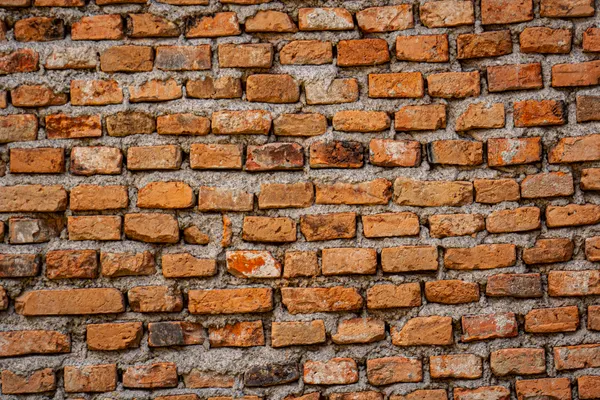
Mortar that has washed back from the brick face, or turns to dust when scratched.
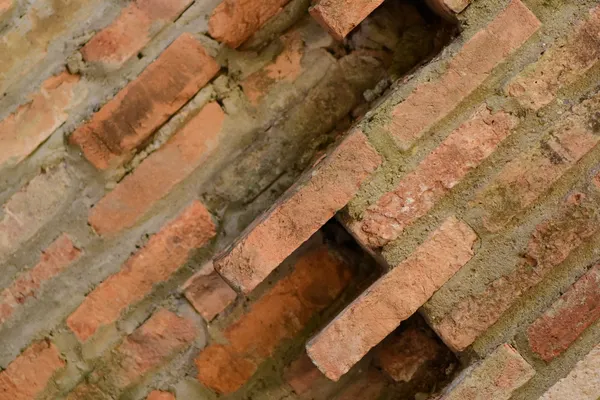
Bulging Sections Pulling Away
Brick pushed out of line where ties have rusted or the layers of the wall have separated.
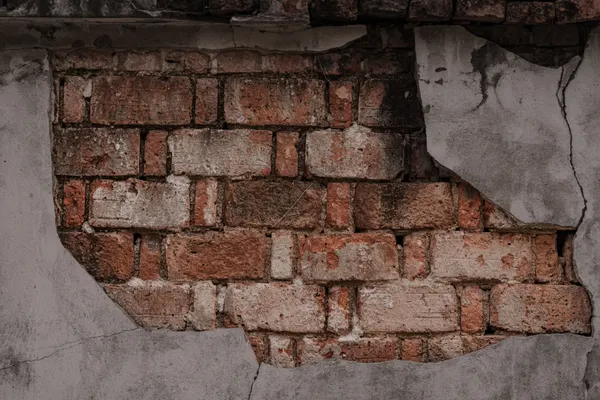
Spalled and Split Brick Faces
Brick faces that have flaked off or cracked, often where water has been sitting in the wall.
Brick Repointing, Ties or Rebuild: Matching the Repair to the Wall
The right repair depends on whether only the mortar has failed, or the brick has moved as well.
| Repair | When It Fits | What It Involves |
|---|---|---|
|
Spot pointing |
Joints worn in patches, with the brick sound and in line |
Only the failed joints are cut out and refilled, matched to the mortar around them |
|
Full repointing of an elevation |
Joints worn across most of a wall |
Every joint is cut out to depth and repointed, usually from a rig, one elevation at a time |
|
Helical tie installation |
Brick still in line, but the outer layer has lost its grip on the wall behind |
Stainless steel ties are set through the joints to re-anchor it, then the holes are pointed over |
|
Take down and rebuild |
Brick bulging, leaning or loose, often at parapets and corners |
The section is removed, sound brick is salvaged, and it is rebuilt with new ties and pointed |
Our Pointing Process in Brooklyn, Joint by Joint
Most failed pointing jobs fail because of shortcuts at one of these four stages.
Every Elevation Mapped
We sound the brick, mark bulges and worn areas, and price the work by elevation and area.
DOB Permits and Sidewalk Protection
We file the DOB permits the job needs and set up protection where work is over the sidewalk.
Cut Out With the Right Tool
Grinders open long bed joints quickly, and head joints and soft brick are finished by hand so the edges stay sharp.
Packed in Layers, Then Cured
Deep joints are filled in layers, tooled to match the old profile, and kept damp while the mortar cures.
Pointing, Rebuild, or Both?
Most walls need a mix. This is how we decide for each area of the building.
Pointing Only
The mortar is worn, but every brick is tight and in line. Repointing seals the wall without taking anything down.
Rebuild Only
One area has moved, such as a parapet corner, while the joints across the rest of the wall are still sound.
Both, in the Right Order
Joints are worn across the wall and some sections have moved. We rebuild those first, then repoint the full elevation so the mortar matches.
Getting More Life Out of a Pointing Budget
Pointing is priced mostly by wall area and access, so a little planning goes a long way.
Fix the Water Source First
Leaking gutters, roof edges or loose copings will wash out new joints if they are left alone.
Repoint Whole Elevations, Not Patches
Patches age at different rates; an elevation done in one pass wears evenly.
Act on Each Parapet Observation
Fixing what the yearly observation finds keeps small cracks from becoming a rebuild.
Plan Pointing for Warmer Months
Mortar needs the wall above about 40°F to cure, and winter protection adds cost.
What Residents Notice During Pointing Work
Pointing is noisier and dustier than most facade work, so residents get clear notice.
Notice Before the Loud Days
Cutting out joints is the noisiest part, so residents near the work are told which days it is scheduled.
Windows Shut Near the Rig
Residents beside the rig get notice to keep windows closed while joints are cut.
Roof Access for Parapet Repairs
Parapet work is done from the roof, so roof decks and terraces close for a few days.
Mortar Washing Out or a Parapet Leaning?
Send photos or your facade report, and we will tell you whether the wall needs pointing, ties or a rebuild.
Brick Repointing Cost in Brooklyn Comes Down to Five Things
Whether you call it repointing or tuckpointing, the cost is set by the wall, not a flat rate. These five things move it most.
-
Wall Area and Joint Condition
How many square feet need work, and how deep the mortar has failed.
-
Height and Access
Rope access, a rig or a scaffold, and whether a sidewalk shed is needed.
-
Mortar Matching
Testing and matching color, texture and strength to the existing joints.
-
Amount of Rebuild
How much brick has to come down, and how much of it can be reused.
-
Ties and Parapet Details
Whether new ties, copings or roof edge flashing are part of the job.
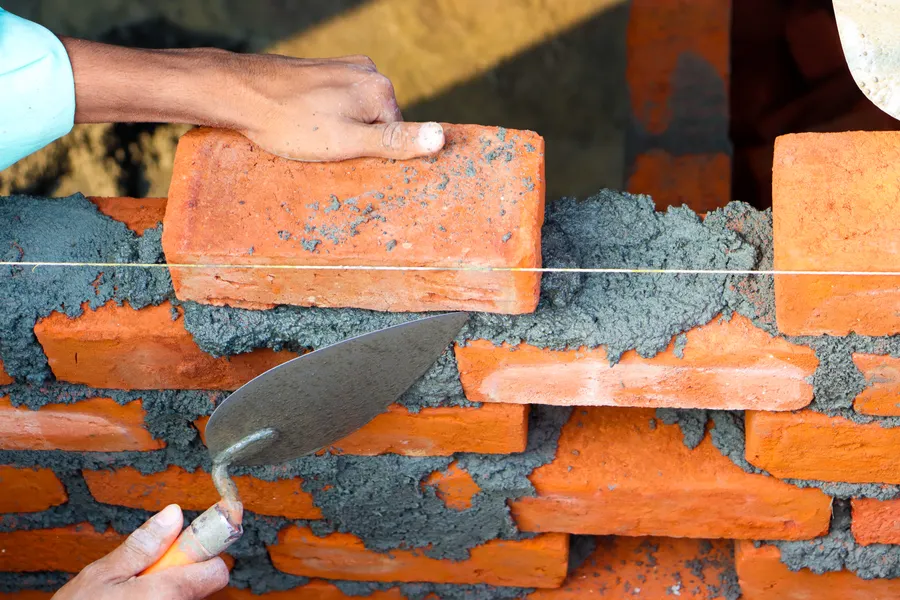
Answers on Repointing, Parapets and Bulging Walls Brooklyn
In New York the words are mostly used for the same job: removing worn mortar and filling the joints with new mortar. Strictly, tuckpointing is a decorative method in which joints are filled with mortar colored to match the brick and a thin line of contrasting mortar is added on top. Most facade work on Brooklyn buildings is plain repointing.
At least two to two and a half times the width of the joint, which is usually about half an inch to an inch on brick. Mortar packed over a shallow cut tends to fall out within a few seasons.
Done properly, with the right depth and a matched mortar, repointing should last 30 years or more. Joints that take the most weather, such as parapets, wear faster than sheltered walls.
Only with care. The wall needs to stay above about 40°F while the mortar cures, so winter pointing needs heated enclosures and warmed materials. We use heated enclosures when a job cannot wait, and where the deadline allows, we plan pointing for warmer months.
Yes. Under a Department of Buildings rule in effect since 2024, parapets that face a street or other public area must be observed every year by December 31, and the report kept for six years. Unsafe conditions must be reported to DOB right away. A FISP report can count for that year if it covers the parapet in the detail the rule requires. We carry out the yearly observation and the repairs it calls for.
A bulge usually means the outer layer of brick has lost its connection to the wall behind it, from rusted ties or failed mortar between the layers. If the brick is still in line, stainless steel helical ties can re-anchor it. Once it has moved too far or is loose, the section is taken down and rebuilt.
If the water is getting in through worn joints, yes. But it can also enter through copings, roof edges, gutters and cracked brick, so we check those before pointing. New joints over an untreated leak will wash out again.
Other Repairs on the Same Wall
When pointing and parapet items are listed on your facade report.
Rusted steel over windows that cracks the brick above.
Older walls where the mortar mix has to suit soft brick.
Anchors set in brick that loosen as the joints around them wear.
Want a wall looked at? Send photos through our contact page or call (917) 355-8556.